
A college graduate has a lot to be excited about, including finishing school, finding a new job, or even moving out of his or her parents’ house. However, the excitement of jumping in to a new career can quickly diminish once a graduate has to pay his or her first tax bill. Instead of waiting until tax time to find out how much you'll owe, it's wise to learn about potential tax issues in advance so that you can prepare to pay your taxes in the future.


Estate taxes carry some of the highest tax rates in the
IRS tax code. In fact, it’s not uncommon for wealthy individuals who have died to have their estates decimated by income taxes due to poor planning. In these cases, heirs may end up with very little property or assets, even though the estate was worth a large amount of money. To distribute an estate in the best possible way for heirs, individuals should look into methods that reduce the
taxable amount of their estates. If they do, they'll be able to lessen the impact of tax rates on their heirs.
Read More >

Identity theft has become a worldwide problem, affecting many consumers and damaging their credit scores, their bank accounts, and even their employment. But did you know that identify theft can also cause trouble for you at tax time? Unfortunately, falling victim to identity thieves can make tax filing a real hassle, especially if you're expecting a sizable refund. Here's a primer on what you can do if identity theft interferes with your tax filing.

Gambling winnings are completely taxable by the Internal Revenue Service. While this can be disappointing to taxpayers who win prizes or cash as a result of gambling, they may be relieved to hear that their gambling losses may be completely deductible as well. Those who win any prize of value from gambling activities should learn how to properly report them so that they can comply with the IRS standard for gambling winnings.
Read More >

If you're facing tax trouble such as a review or an audit, you may be wondering where you can turn for assistance. Many taxpayers are familiar with tax professionals such as certified public accountants (CPA) and tax attorneys, but another valuable resource for tax assistance is an IRS enrolled agent (EA). Enrolled agents are highly trained and qualified to provide tax advice and help for just about any possible situation.

U.S. citizens who are living abroad are still required to
file a federal income tax return. This is true, even if they are no longer earning any income from activities based in the U.S. However, while these individuals are obligated to file, they may not be obligated to pay any tax on their earnings. This tax break is available under a provision called the Foreign
Income Exclusion. To take advantage of this arrangement, it is important to understand how to qualify for it.
Read More >

Individuals who have immigrated to the United States must abide by the IRS rules for resident and non-resident aliens. While there are special considerations for these individuals who file tax returns, they are still required to submit their returns on the annual deadline along with naturalized U.S. citizens. The IRS allows for three categories of immigrants: resident aliens, non-resident aliens, and dual status taxpayers. Choosing the proper tax status is important because it directly affects the way immigrants file their returns.
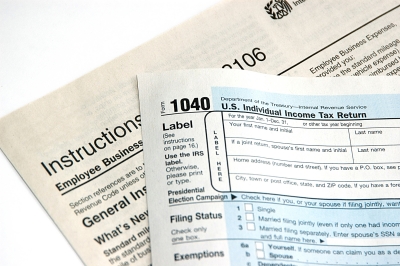
When you own and operate your own business, you'll have to deal with many financial concerns over the years. Some of these issues could pose a real danger to your company, especially if they affect your ability to take on new clients or deliver your products to customers. One way to avoid many of these problems is to hire a qualified financial professional to shoulder some of your responsibilities for you. Both accountants and tax attorneys can be of great help, but how do you know which professional to hire? Here's a quick overview of the differences between the two.

As a result of the economic crisis of recent years, many American taxpayers have applied for and received cancelation of some debts such as mortgages, car loans, and credit card bills. One thing that some citizens may not know, though, is that their canceled debt may be subject to income tax by the IRS. While the tax bill they get at the end of the year may be considerably less than the debt that was canceled, it may still put a strain on the household budget. The best way to prepare for this is to speak with a tax professional to find out if your canceled debt is taxable well in advance of the income tax deadline.

Have you gotten a letter from the Internal Revenue Service in the mail? If you have, you may have been nervous just to see the IRS return address in the envelope corner. However, the majority of IRS correspondence that is sent out is relatively harmless. In a few cases, though, IRS notices can bring bad news such as a stressful tax audit or a tax collection. Here's a quick overview of the types of IRS notices that are commonly mailed and how you can handle IRS correspondence.
