
If you're used to filing your taxes in April of each year you may not be thinking about the possible tax law changes you'll face in 2013. But, even though the end of the year is a few months away, it's a good time to find out what you can expect in the new tax regulations. Several tax provisions that have been in effect for the last few years are set to end in the new year, so preparing yourself in advance can help you think about some tax filing changes you might to make.


If tax time is a depressing time of year for you, you may be tempted to put off your tax preparation until the last minute. However, if you begin getting ready for the new tax year now, you'll find that your preparation will be much easier closer to the deadline. Early tax preparation is even more important if you're expecting to pay a large amount of taxes, since you may be able to take steps now that can reduce your tax liability next April.

Taxpayers who are in debt to the IRS may not be aware that the agency is restricted to a certain amount of time to collect on the debt. This means that some individuals who are close to the end of the statute of limitations may only have a short amount of time left to make payments on their accounts. After the statute of limitations runs out, even the IRS cannot legally pursue back tax payments from individual taxpayers.

When the IRS enforces a bank levy, the agency will have the authority to seize funds from your bank account to pay off your tax balance. Typically, this happens through regular withdrawals but, if your bank account contains enough assets to pay your balance in full, the
agency may decide to seize enough to pay off your account through a single withdrawal.
Read More >

Do you have unfiled IRS income tax returns from previous years? If so, you can clear them up by filing the returns in question at any time. Here are a few guidelines to help you clear up your unfiled IRS income taxes.

Taxpayers who have a tax levy imposed on their accounts often have to deal with tax troubles for years to come. The levy can dramatically affect their well-being, siphoning off needed income and valuable assets. If you receive a notice of an intent to levy it’s important to find out what is involved.

The IRS offers innocent souse relief in very limited tax situations. This arrangement allows spouses who were not involved in the tax fraud or errors perpetrated by their husbands or wives to be absolved of tax liability. However, qualifying for IRS innocent spouse relief can be a complicated process.

Did you know that the IRS has the authority to seize your assets if you owe back taxes? The Internal Revenue Service is one of the most powerful government agencies when it comes to seizing control of individual assets so it's wise for any taxpayer to understand the agency's authority and how it exercises asset seizure in cases of income tax debt.

Most people are familiar with IRS payment plans, which are extended payment periods available for those who are unable to pay their balances in full. However, in rare cases, the IRS also offers tax settlements - payment options that allow taxpayers to settle their accounts for less than owe. Qualifying for these IRS tax settlements is rather difficult, though, since the agency has very strict standards for granting these types of requests. Learning about IRS tax settlements and how they work can help you decide if you may qualify for these options.
Read More >
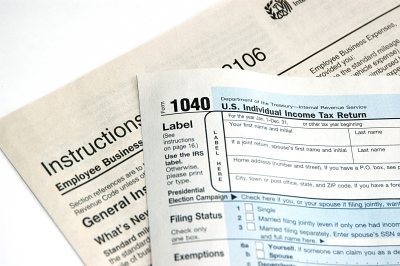
The IRS offers payment plans for taxpayers who are unable to pay their entire tax debt in a lump sum. The program is rather easy to initiate, which makes it a great option for those who are unprepared to pay a large tax bill at the deadline. Most individuals will use IRS Form 9465 to apply for an installment agreement. They can complete and submit this form along with their income tax returns.
Read More >
